
Security Post Orders: What to Include So Guards Do the Job Right

Updated: 3 days ago
Security post orders are the written instructions that tell a guard exactly what to do at a specific property, from patrol routes and lockup times to who to call in an emergency. Clear post orders are the single biggest difference between a guard who just shows up and a guard who actually protects your site.
Key takeaways
Post orders are site-specific instructions written for each guard post at a property.
Good post orders cover duties, patrol routes, access rules, emergency steps, contacts and reporting.
They protect the owner by setting clear limits on what guards should and should not do.
Review post orders at least once a year and after any serious incident or change in use.
Ask your security company to write them with you before the first shift.
What are security post orders?
Post orders are a written guide for one guard post at one property. They explain the guard's hours, duties, patrol route, access rules, emergency steps and reporting. Any trained guard should be able to read them and do the job correctly, even on their first shift at that site.
Post orders are different from general guard training. Training teaches skills such as observation, report writing and California's rules on arrest. Post orders apply those skills to your building, your tenants and your risks.
What should security post orders include?
Strong post orders answer every question a guard might have during a shift. They list duties in order, name the people to contact, set clear limits and explain what to write down. If a guard has to guess what to do, the post orders are missing something.
Include these sections:
Site overview: Address, property type, hours of operation and a simple site map.
Post hours and uniform: Start and end times, breaks and required uniform.
Duties in order: Opening and closing tasks, patrol rounds and lockups.
Patrol route: Areas to check, such as parking lots, stairwells, roofs, loading docks and trash areas.
Access control: Who may enter, how visitors and vendors check in and after-hours rules.
Emergency procedures: Fire, medical, intrusion, power outage and active threat steps, starting with calling 911.
Contact list: Property manager, owner, security supervisor, maintenance and alarm company.
Limits of authority: What guards may do, such as observe, report and ask people to leave, and what they must not do.
Reporting: What goes in the daily activity report and when an incident report is required.
Special instructions: Key control, how alarm codes are handled, tenant requests and recurring problems.
Why do post orders matter for property owners?
Post orders matter because they turn your expectations into a written standard the guard and the security company can be held to. They make shift changes and relief guards consistent, reduce mistakes and show that the owner set reasonable, clear rules. When something goes wrong, they also show what the guard was told to do.
They also make reports more useful. When post orders list each area to check, patrol reports can confirm each area was checked. Our guide on what a security patrol report should include shows how the two work together.
How often should post orders be updated?
Review post orders at least once a year, and update them right away after any serious incident, new tenant, construction, change in hours or new security equipment. Outdated post orders are a common reason guards miss new risks. Ask your security company to date each version and confirm that guards have read the latest one.
Signs your post orders need an update:
Guards ask the same questions again and again.
A new problem area, such as a new loading zone or a vacant lot next door, is not in the patrol route.
Contact names or phone numbers are out of date.
An incident happened that the post orders did not cover.
What are common post order mistakes?
The most common mistakes are post orders that are too vague, too long or never updated. "Patrol the property" tells a guard almost nothing, while 40 pages of rules no one reads are just as unhelpful. The best post orders are short, specific and easy to follow under stress.
Avoid these mistakes:
Vague duties: Write "check all rear doors at 10 p.m. and 2 a.m." instead of "patrol as needed."
Missing limits: Spell out what guards should not do, such as chasing suspects off the property.
No emergency order: Make "call 911 first" the clear first step for active emergencies.
Old contacts: Update phone numbers whenever staff change.
No sign-off: Have each guard confirm they read the current version.
How do post orders work for El Monte properties?
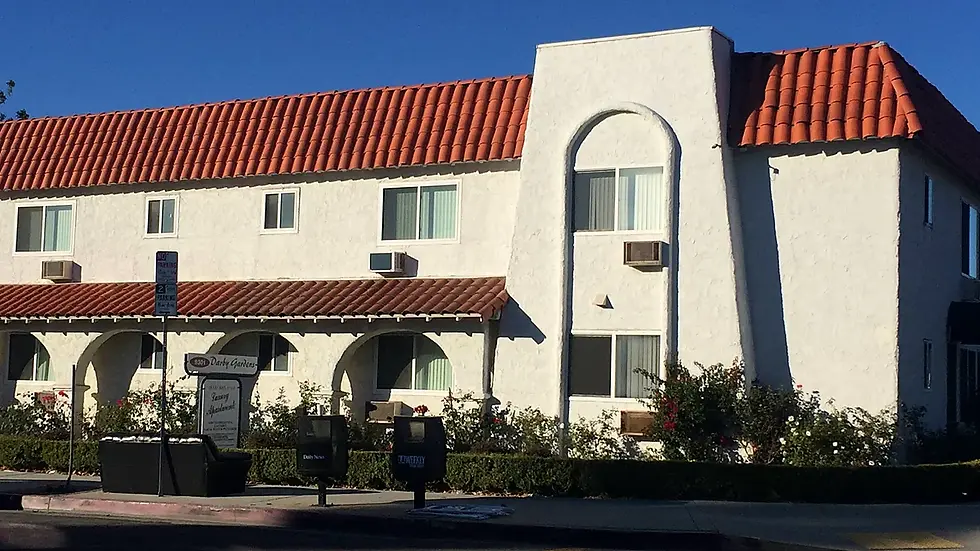
El Monte has a wide mix of property types, from industrial sites and warehouses to retail centers, offices and apartments. Each one needs its own post orders. A warehouse may focus on gates, docks and trailers, while an apartment community may focus on parking, amenities and resident concerns. One generic set of rules will not fit both.
El Monte property owners can learn more about local coverage on our El Monte security services page, or see how our unarmed security guards follow site-specific post orders.
Frequently asked questions
Who writes security post orders?
The security company usually drafts post orders with input from the property owner or manager. The owner should review and approve the final version.
How long should post orders be?
Long enough to cover every duty and emergency, but short enough to read quickly. Many sites fit the essentials in a few pages, with a site map attached.
Are post orders the same as a security plan?
No. A security plan covers the whole property's approach to risk, while post orders give step-by-step instructions for one guard post.
Should post orders include what guards cannot do?
Yes. Clear limits help guards act safely and within California law, and they protect the owner.
Does SGV Patrol write post orders for new clients?
SGV Patrol can work with each property owner or manager to build post orders before service starts. Ask about it during your security assessment.
About the author
Samantha Stephens leads SGV Patrol, a security company serving the San Gabriel Valley since 2012. SGV Patrol is Licensed, BSIS PPO #17353. You can verify our license on the California DCA license search.
Get post orders built for your property
Want clear, site-specific instructions for your guards? Call SGV Patrol at (626) 727-1592 for a security assessment. Calls are answered 24/7.
Cover photo: "El Monte Boarding Locations & Connections (8172825812)" by Oran Viriyincy from Santa Barbara, United States, via Wikimedia Commons, licensed CC BY-SA 2.0.


Comments