
What a Security Patrol Report Should Include: A Guide for Property Managers

Updated: 3 days ago
A good security patrol report tells you exactly when the officer was on your property, what they checked, what they found and what they did about it. If a report cannot answer those four questions, it will not help you fix problems, back up an insurance claim or show tenants and owners that the property is being watched.
For warehouses, industrial parks, apartment communities and shopping centers in the San Gabriel Valley, patrol reports are often the only record of what happens overnight. Here is what they should include and how to use them.
Key takeaways
Every patrol report should show the date, arrival and departure times, the officer's name and the areas checked.
Findings should be specific: which door, which gate, which light, with photos when possible.
Incident reports should describe what was seen, who was called and what happened next, in plain facts.
Monthly summaries help property managers spot patterns and adjust patrol times.
Ask for a sample report before you sign with any security company.
Why do security patrol reports matter for property owners?
Patrol reports matter because they turn security visits into evidence. They prove the patrol happened, record problems before they grow and give property managers facts to share with owners, tenants, deputies and insurance carriers. Without good reports, you are paying for visits you cannot see or measure.
For a warehouse in the City of Industry, a single report noting an unlocked roll-up door or a cut fence can prevent a theft. For an apartment community, a pattern of reports about loitering in one garage can show where to add lighting or change patrol times.
What should a security patrol report include?
A complete patrol report includes the property, date, arrival and departure times, the officer's name, the areas checked, conditions found, any actions taken and photos of anything unusual. It should be written in clear, factual language, delivered quickly and stored where the property manager can find it later.
Visit details: Property name, date, arrival and departure times, officer name.
Areas checked: Doors, gates, fences, parking lots, loading docks, common areas.
Conditions found: Unlocked doors, broken lights, damaged fences, open gates.
People and vehicles: Loiterers, trespassers or unfamiliar vehicles, with plates when safe.
Actions taken: Doors secured, trespassers asked to leave, 911 called, manager notified.
Photos: Time-stamped images of any issue.
Follow-up: Items the property manager needs to fix.
How is an incident report different from a daily patrol log?
A daily patrol log records routine visits and checks, while an incident report covers a specific event such as a break-in, trespass, vandalism, fire hazard or injury. Incident reports need more detail: who was involved, what the officer saw and heard, who was called, when deputies or police arrived and any case number given.
A strong incident report follows a simple order:
What happened. A short, factual summary.
When and where. Exact time and location on the property.
Who was involved. Descriptions of people and vehicles, without guessing.
What the officer did. Each step, in order.
Who was notified. 911, the property manager, the owner.
Evidence. Photos, video locations and any case number.
The officer should stick to facts and avoid opinions. Clear reports are more useful to law enforcement and insurance carriers.
What do good patrol reports look like for warehouses and industrial sites?
For warehouses and industrial properties, good patrol reports focus on the perimeter and loading areas. They note each dock door, roll-up door, fence line, yard gate, trailer and exterior light checked, plus any vehicles parked after hours. Photos of damaged fencing or open doors help the property manager act the next morning.
Industrial parks in the City of Industry and nearby cities often have long fence lines and trailer yards that are hard to see from the street. Reports that show the same checkpoints on every visit make gaps easy to spot. Learn more about our security services in the City of Industry.
How should property managers use patrol reports?
Property managers should read reports daily for urgent issues and review them monthly for patterns. Look for repeat problems by location and time, such as the same broken light or the same lot used for loitering. Then adjust lighting, repairs or patrol times, and share a short summary with owners.
Daily: Fix urgent items such as unlocked doors, open gates and broken lights.
Weekly: Check that patrol visits happened at varied times, not the same time each night.
Monthly: Count incidents by type and location, and adjust the patrol plan.
After any incident: Save the report, photos and case number in one place.
Our apartment security patrol guide for property managers explains how to set up a patrol plan and review it over time.
What questions should you ask a security company about reporting?
Before you hire a patrol company, ask how reports are delivered, how fast you receive them, whether they include photos and how incidents are escalated to you. Ask for a real sample report with names removed. A company that cannot show a clear, professional report will not give you useful records later.
Questions to ask:
How are reports delivered, and when do I receive them?
Do reports include arrival and departure times and photos?
How will I be notified about urgent incidents?
Can I get a monthly summary?
How long are reports stored, and can I export them?
Is your company licensed by BSIS? You can check on the California DCA license search.
Frequently asked questions
What is a security patrol report?
It is a written record of each patrol visit that shows when the officer arrived and left, what areas were checked, what was found and what actions were taken.
What should be in a security incident report?
A summary of the event, the exact time and place, descriptions of people and vehicles, each action the officer took, who was notified, photos and any case number.
How often should property managers review patrol reports?
Read reports daily for urgent issues, and review them monthly to find patterns and adjust patrol times and repairs.
Should security patrol reports include photos?
Yes. Time-stamped photos of open doors, damaged fences or other issues make reports easier to act on and more useful as records.
Does SGV Patrol provide patrol reports?
Yes. SGV Patrol provides patrol reports for mobile patrol and on-site guard services across the San Gabriel Valley. Call to see how reporting would work for your property.
About the author
Samantha Stephens leads SGV Patrol, a security company serving the San Gabriel Valley since 2012. SGV Patrol is Licensed, BSIS PPO #17353. You can verify our license on the California DCA license search.
Get patrol reports you can actually use
If your current security reports leave you guessing, we can help. See our vehicle patrol services or call SGV Patrol at (626) 727-1592 for a security assessment. Calls are answered 24/7.
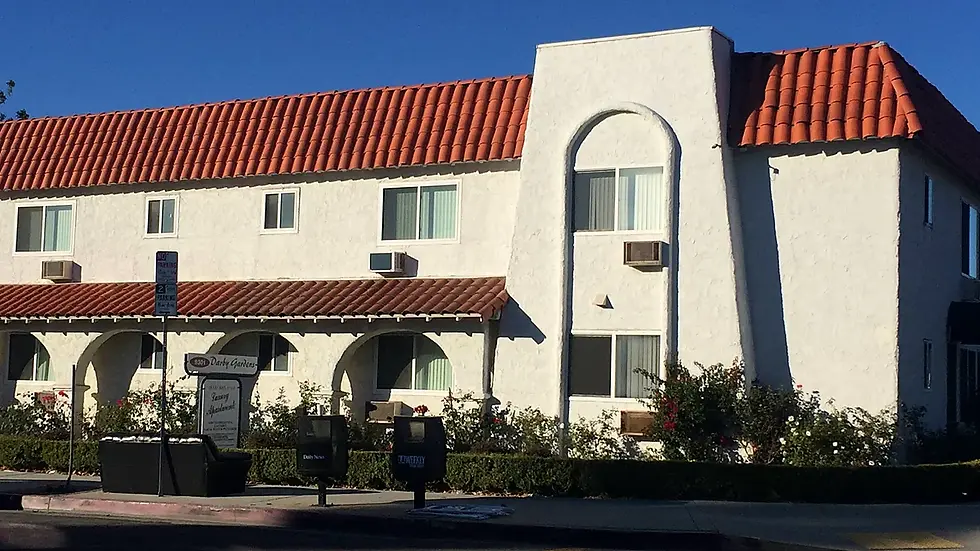
Cover photo: "City of Industry, CA, USA - panoramio" by peter boy12qq12, via Wikimedia Commons, licensed CC BY 3.0.


Comments