
Restaurant and Bar Security: When to Hire Guards and What They Should Do

A restaurant or bar should hire security guards when crowds, late hours, alcohol service or past incidents create risks that staff cannot manage while doing their main jobs. In California, anyone working as a security guard must hold a BSIS registration, and some alcohol licenses come with conditions that require security staff.
Key takeaways
Guards make the most difference during peak hours, at closing time and in parking areas.
Contract guards must hold a Bureau of Security and Investigative Services (BSIS) guard registration and work for a licensed Private Patrol Operator.
In-house staff whose main job is security may need a BSIS Proprietary Private Security Officer registration.
The California Department of Alcoholic Beverage Control (ABC) can attach conditions to a license, and some conditions involve security staffing.
Written post orders keep guards, managers and servers working from the same plan.
When does a restaurant or bar need security guards?
A restaurant or bar needs security guards when it serves alcohol late, draws large or rowdy crowds, hosts events, has had fights or thefts, or has a parking lot staff cannot watch. Guards let servers and managers focus on guests while someone trained watches the door, the crowd and the lot.
Common signs it is time:
Staff are breaking up arguments or asking people to leave on a regular basis.
Weekend nights, live music or watch parties bring crowds the floor staff cannot manage.
Closing time brings disputes in the parking lot.
Neighbors or the city have raised concerns about noise or loitering.
Your license or a city permit includes security conditions.
What do restaurant and bar security guards do?
Restaurant and bar security guards manage entry, watch the crowd, step in early when tension builds, keep exits and walkways clear, help staff during refusals of service, walk the parking lot and write reports. Their job is prevention and calm control, not force, and they call police when a situation calls for it.
A typical shift might include:
Checking the entrance, exits, restrooms and lot before opening.
Watching the door, or checking IDs if the venue assigns that duty.
Moving through the room during peak hours.
Supporting managers when a guest is cut off or asked to leave.
Clearing the lot at closing and escorting staff to their cars.
Writing an incident report for anything unusual.
What California rules apply to bar and restaurant security?
California requires contract security guards to hold a BSIS guard registration and to work for a company with a Private Patrol Operator license. In-house employees whose main duty is security may need a Proprietary Private Security Officer registration. Guards who carry a firearm or baton need separate BSIS permits.
Alcohol service adds another layer. The ABC can place conditions on a license, and some licensed venues operate under conditions about operating hours, loitering or security staffing. Read your license conditions and any city permits before you write a security plan, and make sure your guards know what those conditions require.
You can confirm a company's license and a guard's registration on the California DCA license search.
Should a restaurant or bar use armed or unarmed guards?
Most restaurants and bars use unarmed guards, because their work is about crowd control, de-escalation and watching entrances. Armed guards are a separate decision that makes sense only with a clear, documented risk, and it requires a BSIS firearms permit and careful post orders. Many venues start unarmed and reassess after reviewing incident reports.
| Situation | Usual fit | Why | |---|---|---| | Busy dining room with a bar | Unarmed guard at peak hours | Calm presence and early intervention | | Nightlife, live music or events | Unarmed guards at door and floor | Crowd flow and entry control | | Repeated serious incidents | Review with your security company | Armed coverage only if the risk supports it | | Parking lot problems after close | Unarmed guard or mobile patrol checks | Clears the lot and protects staff leaving late |
Our guide on how to choose between armed and unarmed guards walks through the decision.
How can owners make closing time safer?
Owners make closing time safer by setting a routine and sticking to it: last call on schedule, a clear plan for clearing the room, lights on in the lot, staff leaving in pairs, cash handled out of view and a guard or manager walking the lot before the last employee leaves. Consistency prevents most closing-time problems.
Keep the back door locked and never prop it open for trash runs after dark.
Make deposits at varied times and avoid counting cash in view of windows.
Keep the lot well lit and fix lights quickly.
Post clear signs about loitering and parking rules.
How does this apply to Covina restaurants and bars?
Covina has its own police department, and private security supports officers by managing entrances, watching crowds and reporting problems. Downtown dining streets and busy shopping-center restaurants each need a plan matched to their hours, crowds and parking.
For local coverage, see our page on security services in Covina and our bar security service.
Frequently asked questions
Do bouncers in California need a guard card?
Contract guards need a BSIS guard registration. In-house staff whose main job is security may need a Proprietary Private Security Officer registration instead.
Can a security guard check IDs at a bar?
Yes, if the venue assigns that duty. Staff who sell or serve alcohol are still responsible for not serving minors.
How many guards does a bar need?
It depends on capacity, layout, hours, entrances and incident history. Many venues start with one guard at peak hours and adjust based on reports.
Can guards remove a guest who refuses to leave?
Guards can ask a guest to leave on the owner's behalf and call police if the guest refuses. Post orders should explain how to handle refusals safely.
Are overnight patrols available after closing?
Overnight patrols are available in many areas; contact us to confirm for your location.
About the author
Samantha Stephens leads SGV Patrol, a security company serving the San Gabriel Valley since 2012. SGV Patrol is Licensed, BSIS PPO #17353. You can verify our license on the California DCA license search.
Plan security for your restaurant or bar
Run a restaurant, bar or event venue in Covina or nearby? Call SGV Patrol at (626) 727-1592 to schedule a security assessment of your door, floor and parking lot coverage. Calls are answered 24/7.
Sources: California Bureau of Security and Investigative Services, guard registration, firearms permit and Proprietary Private Security Officer requirements; California Department of Alcoholic Beverage Control, license conditions (Business and Professions Code section 23800 and following); City of Covina public safety information.
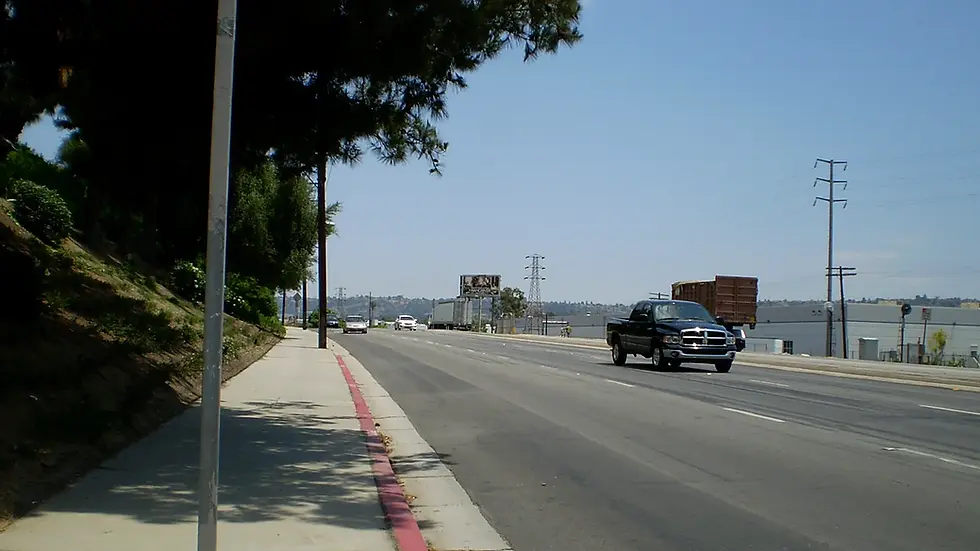
Cover photo: "Covina Downtown" by ASDFGH, via Wikimedia Commons, licensed CC BY-SA 4.0.


Comments