
Private School Security Guards: What Schools Should Know

Updated: 3 days ago
Private schools use security guards to control who enters campus, watch drop-off and pick-up, patrol buildings and parking lots, and support staff during emergencies and events. For most private K-12 schools and preschools, a trained unarmed guard at the main entrance during school hours, plus coverage for after-school events, gives the biggest safety benefit for the cost.
Key takeaways
The main jobs of a school guard are access control, visible deterrence, traffic and parking support, and incident reporting.
California Penal Code section 626.8 covers disruptions by people without lawful business at preschools and public or private K-12 schools, including nearby streets and sidewalks.
Most private schools also need a written workplace violence prevention plan under Labor Code section 6401.9, in effect since July 1, 2024.
Drop-off, pick-up and evening events are the busiest and riskiest times on most campuses.
Guards should be trained on the school's emergency plan, visitor rules and child-safety policies.
What does a security guard do at a private school?
A security guard at a private school controls the main entrance, checks in visitors, watches the perimeter and parking lot, helps manage drop-off and pick-up traffic, and responds to concerns from staff. The guard also documents incidents, supports lockdown and evacuation drills, and calls 911 for emergencies.
Typical duties include:
Greeting and checking in every visitor at a single main entrance.
Making sure gates and side doors stay closed during the school day.
Patrolling hallways, play areas and parking lots.
Supporting staff during drop-off, pick-up and dismissal.
Covering after-school events, games and performances.
Writing daily reports for school leadership.
Why do private schools hire security guards?
Private schools hire security guards because they do not have the school resource officers or district security teams that many public school districts provide, and parents expect a safe, well-run campus. A guard gives the school a trained, visible person focused only on safety, so teachers and front office staff can focus on students.
Other common reasons:
Open campuses with several entrances.
Busy streets and parking lots during drop-off and pick-up.
Evening and weekend events with outside visitors.
Past problems with trespassers, theft or vandalism.
Parent and board requests for stronger safety measures.
What laws apply to private school security in California?
Several California laws apply to private school security. Penal Code section 626.8 makes it a crime for someone without lawful business to come onto school grounds or adjacent streets and disrupt the school, and it covers preschools and public or private K-12 schools. Labor Code section 6401.9 requires most employers, including many private schools, to keep a workplace violence prevention plan.
| Law | What it means for schools | |---|---| | Penal Code 626.8 | Disrupting a public or private K-12 school or preschool without lawful business is a crime. | | Labor Code 6401.9 | Most employers need a written workplace violence prevention plan, training and an incident log. | | BSIS rules | Contract security guards must be registered with the Bureau of Security and Investigative Services. |
Guards should know these rules but leave legal decisions to school leaders and law enforcement. This post is general information, not legal advice.
Should a school guard be armed or unarmed?
Most private schools choose unarmed guards, who focus on access control, deterrence, customer service and reporting. Armed guards require additional state permits and training, and they bring added liability and community questions, so schools usually reserve armed coverage for specific, documented risks after careful discussion with their board and security provider.
Learn more in our guide to armed vs. unarmed security guards in California. For most campuses, unarmed security guards are the right starting point.
How can schools improve security without a guard?
Schools can improve security without a guard by using a single main entrance, requiring visitor check-in, keeping gates locked during the day, adding cameras and lighting, training staff on emergency procedures and practicing drills. These steps work best together, and they also make a guard more effective if one is added later.
A simple campus checklist:
Limit entry to one main entrance during school hours.
Require visitor sign-in and visible badges.
Lock perimeter gates and side doors after the morning bell.
Check cameras and lighting each month.
Train staff on lockdown, evacuation and medical response.
Practice drills and review what went wrong.
Keep an incident log and review it each term.
When do schools need the most security coverage?
Schools need the most coverage during morning drop-off, afternoon pick-up and evening events, when gates are open, traffic is heavy and many unfamiliar adults are on or near campus. Weekends and holiday breaks can also call for patrol checks, because empty campuses attract trespassing, vandalism and theft.
Common coverage plans:
School-day guard: One guard at the main entrance from drop-off through pick-up.
Event coverage: Guards for games, performances and fundraisers.
After-hours checks: Random patrol checks on nights, weekends and breaks. Overnight patrols are available in many areas; contact us to confirm.
What should private schools in Azusa do next?
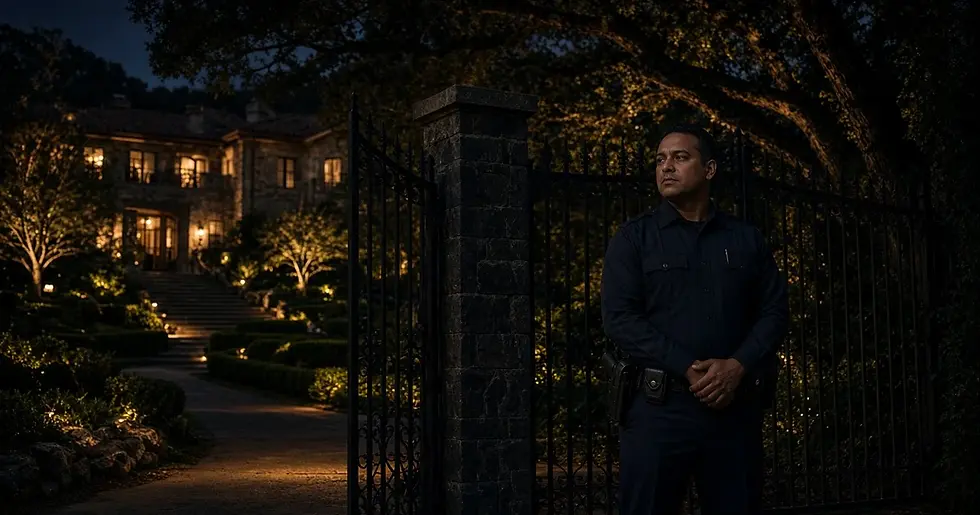
Private schools and preschools in Azusa should start with a campus walk-through at drop-off and after dark, review visitor and gate rules, confirm their workplace violence prevention plan is current and decide which hours need a guard. A short written post order makes sure any guard follows school policies from day one.
See our security services in Azusa.
Frequently asked questions
Do private schools in California need security guards?
No state law requires guards at every private school. Many schools add guards based on campus layout, events and parent expectations.
What does a school security guard do during drop-off?
The guard watches gates and the street, helps keep traffic moving safely, keeps unknown adults from entering campus and supports staff with any concerns.
Is it illegal to disrupt a private school in California?
Yes. Penal Code section 626.8 covers people without lawful business who disrupt a preschool or public or private K-12 school, including nearby streets and sidewalks.
Do private schools need a workplace violence prevention plan?
Most do. Labor Code section 6401.9 applies to most California employers, which includes many private schools.
Should school guards carry weapons?
Most private schools choose unarmed guards. Armed coverage is a separate decision that requires extra permits, training and careful review.
About the author
Samantha Stephens leads SGV Patrol, a security company serving the San Gabriel Valley since 2012. SGV Patrol is Licensed, BSIS PPO #17353. You can verify our license on the California DCA license search.
Get a school security plan in Azusa
Want a safer campus for students and staff? Call SGV Patrol at (626) 727-1592 for a security assessment. Calls are answered 24/7.
Sources: California Penal Code section 626.8; California Labor Code section 6401.9. This post is general information, not legal advice.
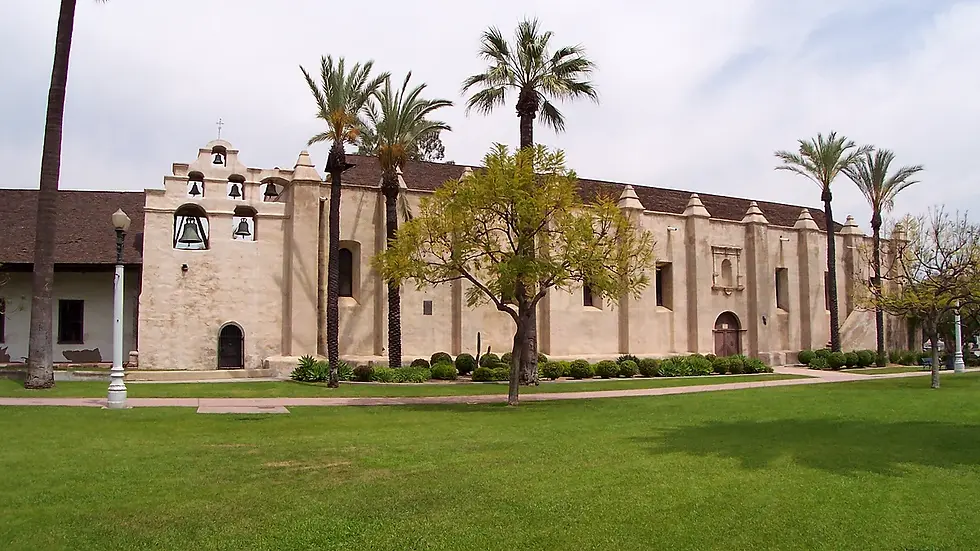
Cover photo: "Azusa Downtown" by ASDFGH, via Wikimedia Commons, licensed CC BY-SA 4.0.

Comments