
Neighborhood Security Patrol: How Homeowners Can Share a Private Patrol

A neighborhood security patrol is a private patrol service that a group of homeowners hires together to drive or walk their streets on a set schedule, watch for problems and report what they find. It costs each household less than a private guard, and it works best when neighbors agree on clear goals, hours and reporting.
Key takeaways
Neighborhood patrols are often organized by a group of homeowners on a street or in a tract, without an HOA.
In California, the patrol company must hold a private patrol operator license from the Bureau of Security and Investigative Services (BSIS), and each officer needs a guard registration.
Patrol officers observe, deter and report. They do not have police powers and cannot replace calls to 911.
Good patrols vary their timing, check vacant homes on request, and send written reports to the group.
Overnight patrols are available in many areas; contact a provider to confirm coverage for your street.
What does a neighborhood security patrol do?
A neighborhood security patrol drives or walks a defined set of streets at varied times, looks for suspicious activity, checks homes that are empty, and reports problems to residents and police. The officer's job is to be seen, notice what is out of place, and leave a written record of each visit.
Typical duties include watching for open garages and gates, checking on homes while owners travel, noting unknown vehicles that circle the area, reporting broken streetlights, and calling law enforcement when a crime appears to be in progress. Patrols can also respond to resident calls about alarms or noises, where the service plan includes it.
How is a neighborhood patrol different from an HOA patrol?
A neighborhood patrol is set up by a voluntary group of homeowners, while an HOA patrol is hired by an association that manages common areas and can set rules for its community. Without an HOA, patrol coverage depends on which households sign up, so the route and duties must be agreed in writing.
That difference matters on public streets. Officers can watch and report on public roads, but they cannot block traffic, run plates or enforce rules there. On private property, owners can authorize officers to enforce posted rules. Associations with gated or private streets usually plan coverage through the HOA board instead.
What can patrol officers legally do in California?
Patrol officers in California can observe, deter, report and call law enforcement, and they may make a citizen's arrest only in limited situations under Penal Code section 837. They have no more arrest power than any private citizen. They cannot search people, pull over cars or detain someone just for looking suspicious.
For neighbors, that means a patrol is about prevention and documentation. A visible marked vehicle and regular checks make a street less attractive to people looking for easy targets. Our guide on what security guards can legally do in California explains the limits in detail.
How do homeowners set up a shared private patrol?
Homeowners set up a shared private patrol by gathering interested neighbors, agreeing on goals and a route, getting proposals from licensed companies, and choosing one person or a small committee to manage the contract. A written agreement should list the streets, visit frequency, hours, duties and how reports reach each household.
Map the area. Decide which streets and homes are included.
Agree on goals. Deterrence, vacation checks, alarm response or all three.
Pick hours. Many groups focus on evenings and overnight, when homes look empty.
Collect proposals. Ask each company for license numbers, sample reports and references.
Choose a contact. One coordinator handles billing, changes and complaints.
Review reports monthly. Adjust routes and timing based on what officers find.
What affects the cost of a neighborhood patrol?
The cost of a neighborhood patrol depends on the number of visits, the hours covered, the size of the route, whether officers respond to resident calls, and how many households share the bill. More homes splitting one plan lowers each household's share. Ask for written quotes based on the same scope.
| Cost factor | How it changes the price | |---|---| | Visits per night | More checks mean more officer time | | Hours covered | Overnight-only plans differ from round-the-clock plans | | Route size | Longer routes take more time per visit | | Call response | On-call alarm or resident response adds cost | | Households sharing | More participants lowers each share |
When should a neighborhood choose a patrol instead of a guard?
A neighborhood should choose a patrol when it wants a visible presence and regular checks across many homes, rather than one person posted at one spot. Patrols cover more ground for less money. A posted guard fits a single estate, a gated entrance or an event where someone must stay in one place.
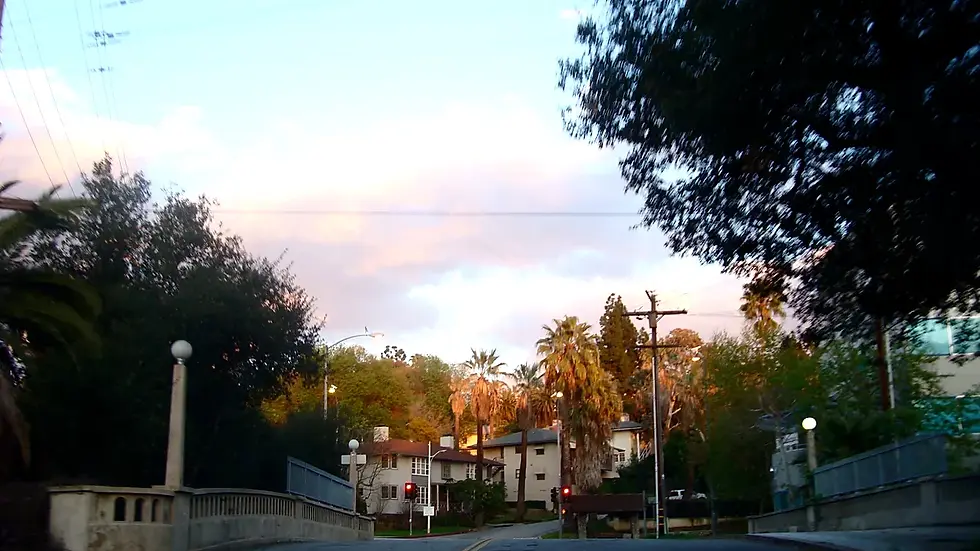
Glendora's foothill streets, with long blocks, mature trees and homes set back from the road, are a good example of where a patrol route can cover many properties in one visit. Our comparison of mobile patrol vs. on-site security guards explains the trade-offs, and our vehicle patrol services page shows how routes and reports work.
Frequently asked questions
Can a private patrol work on public streets?
Yes. Patrol officers can drive public streets and watch and report what they see. They cannot enforce traffic laws or stop vehicles, which is a job for police.
Do all neighbors have to join?
No. A patrol can serve only the households that sign up. Agree in writing which homes get vacation checks and call response.
Will a patrol officer come if my alarm goes off?
Only if the service plan includes alarm response. Patrols can respond to alarm calls in many areas, but response time depends on route, traffic and other calls.
How do we check if a patrol company is licensed?
Search the company on the California DCA license search at search.dca.ca.gov. A patrol company should hold an active BSIS private patrol operator license.
What should a patrol report include?
Each report should list the date and time of each check, what the officer looked at, anything unusual, and any calls to police or residents.
About the author
Samantha Stephens leads SGV Patrol, a security company serving the San Gabriel Valley since 2012. SGV Patrol is Licensed, BSIS PPO #17353. You can verify our license on the California DCA license search.
Start a patrol for your street
Thinking about a shared patrol with your neighbors? Call SGV Patrol at (626) 727-1592 to schedule a security assessment or get a quote for neighborhood patrol coverage. Calls are answered 24/7. For local coverage, see our Glendora security services page.
Sources: California Department of Consumer Affairs, Bureau of Security and Investigative Services (private patrol operator license and guard registration); California Penal Code section 837.
Cover photo: "Glendora Bougainvillea 001" by Einbierbitte, via Wikimedia Commons, licensed CC BY-SA 4.0.


Comments