
Gated Community Security: Gate Guards, Patrols and Access Control

A gate slows people down, but it does not secure a community by itself. Gated communities stay safer when the gate is paired with clear visitor rules, logged entries, working cameras, lighting and either a staffed gatehouse or roving patrols that check the whole property, not just the entrance.
Key takeaways
Gates are only as strong as their codes, visitor process and the fence line around them.
A staffed gatehouse controls who comes in; a roving patrol watches what happens once they are inside. Many communities need some of both.
In California, HOA boards make security decisions under the Davis-Stirling Common Interest Development Act, so put the plan, budget and contract in writing.
Security guards in California must hold a BSIS guard registration, and the company must hold a Private Patrol Operator license.
Diamond Bar's hillside neighborhoods, like many in the San Gabriel Valley, have long fence lines and back slopes that a gate does not cover.
Is a gate enough to keep a community safe?
No. A gate is enough to slow casual traffic, but not to keep a community safe on its own. Shared codes spread quickly, cars tailgate through, delivery drivers get waved in and people on foot can walk around a gate or over a back fence. Security depends on what happens before, at and after the gate.
ABC7 reported on September 29, 2026 that a home inside a gated community in nearby Hacienda Heights was burglarized while two armed guards were at the property. We covered that case in security lessons for gated-community homes. The lesson for boards is simple: a gate and guards help, but planning, lighting, perimeter checks and clear post orders decide how well they work.
What does a gatehouse security guard do?
A gatehouse security guard checks residents and visitors in and out, confirms guests with residents, logs vehicles and plate numbers, manages deliveries and contractors, watches the entrance cameras and reports problems. The guard's job is to control access and keep an accurate record of who came in and when.
Good post orders spell out:
How residents add and remove guests.
What ID the guard must check and what gets logged.
How to handle delivery, rideshare and contractor traffic.
What to do when someone refuses to stop or tailgates.
When to call residents, management and the Sheriff's Department.
Put these rules in writing so every guard on every shift handles them the same way.
Should an HOA choose a gate guard or a roving patrol?
An HOA should choose a gate guard when most risk comes through the main entrance and visitor traffic is heavy, and a roving patrol when risk is spread across streets, common areas, pools and back slopes. Many gated communities use a gatehouse guard during busy hours plus patrol checks at night.
| Need | Better fit | Why | |---|---|---| | Heavy visitor and delivery traffic | Staffed gatehouse | Every vehicle is checked and logged | | Break-ins along back fences or slopes | Roving patrol | Covers areas the gate never sees | | Pools, clubhouses and parks after hours | Roving patrol | Checks doors, lights and loitering | | Budget limits | Gate system plus mobile patrol checks | Visible presence at lower cost | | After a string of incidents | Temporary added coverage, then reassess | Breaks the pattern while fixes are made |
Our HOA security patrol guide explains how boards compare plans. Overnight patrols are available in many areas; contact us to confirm for your community.
How can a gated community tighten visitor access?
A gated community tightens visitor access by giving each household its own code or credential, changing shared codes on a schedule, requiring guests to be pre-registered, logging plates at the gate and reviewing entry records after any incident. The goal is to know who was inside the community at any given time.
Retire codes when residents move out or vendors finish a job.
Use one-time or time-limited guest codes when your system allows it.
Post clear rules for tailgating and enforce them consistently.
Keep pedestrian gates self-closing and check them on every patrol.
What should HOA boards check before signing a security contract?
HOA boards should check the company's Private Patrol Operator license, confirm its guards hold BSIS registrations, read the scope and post orders, ask for sample reports, and review billing, staffing and cancellation terms. Under California's Davis-Stirling Act, boards should approve contracts in properly noticed meetings and keep the records.
Verify any company on the California DCA license search. Ask how patrol timing will be adjusted based on incident reports, and how the company will tell the board about problems it finds.
How does security work in Diamond Bar gated neighborhoods?
In Diamond Bar, law enforcement is provided by the Los Angeles County Sheriff's Department through the Walnut/Diamond Bar Station, and private security supports deputies by watching property, controlling access and reporting problems. Private guards do not replace deputies; they add eyes on the community and records the board can use.
Diamond Bar's hillside layout means many homes back onto slopes, open space or long walls. Those edges deserve as much attention as the front gate. For local coverage, see our page on security services in Diamond Bar and our HOA security services.
Frequently asked questions
Can a gate guard refuse entry to a visitor?
Yes, if the community's rules and post orders say so. Guards should follow written procedures and call residents or management when a visit cannot be confirmed.
Do gate guards need to be armed?
Usually not. Most gatehouse posts are unarmed access-control roles. Armed coverage is a separate decision that requires a BSIS firearm permit and a clear reason.
How often should gate codes be changed?
Many communities change shared codes on a regular schedule and after any known leak. Individual codes should be removed as soon as they are no longer needed.
Who decides on security for an HOA?
The board, following the governing documents and the Davis-Stirling Act, usually decides and approves the contract in an open meeting.
Can private guards patrol private streets?
Yes, inside a private community with the association's permission. Their role is to observe, report and enforce community rules, not to act as law enforcement.
About the author
Samantha Stephens leads SGV Patrol, a security company serving the San Gabriel Valley since 2012. SGV Patrol is Licensed, BSIS PPO #17353. You can verify our license on the California DCA license search.
Plan security for your gated community
Serve on an HOA board or manage a gated community in Diamond Bar or nearby? Call SGV Patrol at (626) 727-1592 for a security assessment of your gate, perimeter and patrol plan. Calls are answered 24/7.
Sources: ABC7 Los Angeles, "Security guard fires 'warning shots' to scare off burglars at Hacienda Heights mansion," September 29, 2026; Davis-Stirling Common Interest Development Act, California Civil Code section 4000 and following; California Bureau of Security and Investigative Services; City of Diamond Bar public safety information.
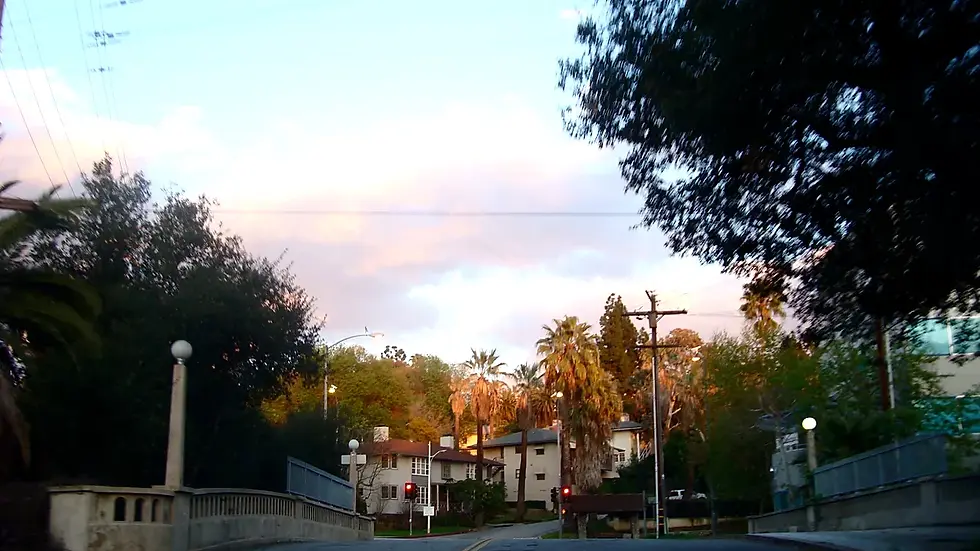
Cover photo: "Diamond Bar City Hills" by Thebluewriter, via Wikimedia Commons, licensed CC BY-SA 4.0.


Comments