
Monrovia Distraction Burglary: How Homeowners Can Spot the Setup and Stay Safe

A distraction burglary is a theft where one person keeps you busy at the door or in the yard while partners slip inside and take valuables. The best protection is simple: talk to unexpected visitors through a locked door or camera, keep every entry locked while you are outside, and verify anyone who claims to be a worker before you step away from the house.
Key takeaways
Monrovia police reported a residential burglary on the 300 block of Stedman where one person talked to the resident about her landscaping while others entered the home and took property, according to the department's Neighborhood Watch Report for November 5 to 9, 2026.
Distraction crews depend on an unlocked door and a few moments of your attention, so locked doors and a "no chat in the yard" habit remove most of their advantage.
Real contractors can be checked. In California, unlicensed work is limited to jobs under $1,000 total, according to the Contractors State License Board (CSLB).
Cameras, lighting and visible patrols help, but the biggest wins come from household routines that every family member and caregiver follows.
What happened in Monrovia?
Monrovia police reported that a resident on the 300 block of Stedman was approached by a person who wanted to talk about her landscaping. While she was distracted, additional suspects entered the residence and took her personal property. The case appeared in the Monrovia Police Department's Neighborhood Watch Report for November 5 to 9, 2026, and police said the investigation was continuing.
Monrovia Now published the report on November 12, 2026. The same week, the department logged 294 calls for service, 49 investigations and 12 arrests. Police have not released suspect descriptions for the Stedman case in that report, so we are not sharing any here.
What is a distraction burglary?
A distraction burglary is a home theft that relies on conversation instead of force. One person draws the homeowner outside or to the front door with a believable story, such as yard work, a utility problem, a lost pet or a roofing offer, while one or more partners enter through another unlocked door, a garage or an open window.
Common cover stories include:
Landscaping or tree work. "I noticed your tree needs trimming. Can you come look?"
Utility or water checks. A visitor says they need you to run the tap or check a meter in the back.
Roof or storm damage. An offer to inspect damage the visitor says they spotted from the street.
Neighbor work. "We're working next door and have leftover material."
A lost item or pet. A request to search your yard or side gate.
None of these stories proves a crime is happening. The warning sign is the pattern: a visitor who wants you away from the house, at the back of the property, or focused on one spot for several moments.
How can homeowners spot a distraction burglary setup?
You can spot a setup by watching for pressure and movement. Be cautious when a visitor shows up unannounced, pushes you to look at something right now, steers you to the side or back of the property, or when a second person or vehicle lingers nearby. Legitimate workers schedule visits, carry identification and are fine with waiting while you verify them.
| Warning sign | What to do | |---|---| | Unscheduled "worker" at the door | Talk through the locked door or doorbell camera | | Pressure to act immediately | Say you will call back after checking | | Request to go to the backyard or side yard | Decline, and keep the front and back doors locked | | Second person wandering or a vehicle idling nearby | Go inside, lock up and call police if you feel unsafe | | No company name, license number or ID | Ask for it and look it up yourself |
How do you verify a contractor or worker in California?
Ask for the business name and contractor license number, then look it up yourself on the CSLB license search at cslb.ca.gov. Since January 1, 2025, California allows unlicensed people to do minor work only when the total job is under $1,000, no permit is required and they hire no helpers, according to the CSLB.
For utility visits, call the customer service number printed on your bill, not a number the visitor gives you. If a visit is real, the company will confirm it. If you cannot verify the person, there is no reason to open the door or walk the property with them.
What should Monrovia and SGV homeowners do now?
Homeowners should make locked doors the default, set up a clear rule for unexpected visitors, and make it harder to reach the house unseen. These steps take little money and work for older parents, caregivers, nannies and anyone who answers the door, which matters because distraction crews often look for people who are home alone during the day.
Practical steps:
Lock first, then talk. Lock the front door, back door and garage entry before stepping outside, even for a short chat.
Use the camera, not the porch. A video doorbell lets you talk without opening the door.
Close side gates. Keep gates latched so a second person cannot reach the backyard easily.
Brief everyone in the house. Share the "we verify first" rule with family members, housekeepers and caregivers.
Note details safely. If something feels wrong, go inside, lock up and write down descriptions and vehicle details for police.
Report it. Monrovia residents can call the Monrovia Police Department; in an emergency, call 911.
For neighborhoods that want an added layer, a shared neighborhood security patrol puts a marked vehicle on the street and gives residents someone to report suspicious activity to. Local coverage options are on our Monrovia security page.
Can private security patrols help prevent distraction burglaries?
Private patrols can help by adding visible checks on the street, noting unfamiliar vehicles, and documenting suspicious activity in written reports. A patrol officer cannot be at every door, so patrols work best alongside locked doors, cameras and household routines. Overnight patrols are available in many areas, contact us to confirm.
A patrol report typically records the time of each check, what the officer saw and any follow-up, which helps HOAs and neighbors spot patterns. Learn more on our home security guard services page.
Frequently asked questions
Is a distraction burglary still a burglary if no door was forced?
Yes. Under California Penal Code section 459, burglary involves entering a home or building with intent to commit theft or a felony. Forced entry is not required.
Should I open the door to a stranger who says they are a contractor?
You do not have to. Talk through a locked door or camera, ask for a business name and license number, and verify it yourself on the CSLB website before agreeing to anything.
What is the CSLB minor work limit in California?
Since January 1, 2025, unlicensed people may only do jobs under $1,000 total that need no permit and use no hired helpers, according to the CSLB.
Who is most often targeted by distraction burglars?
Anyone home during the day can be targeted. Older residents and caregivers are often approached, so share a simple verify-first rule with everyone who answers your door.
What should I do if I think I was the victim of a distraction burglary?
Call police right away, avoid touching areas the suspects may have handled, and write down descriptions, vehicles and the direction they went.
About the author
Samantha Stephens leads SGV Patrol, a security company serving the San Gabriel Valley since 2012. SGV Patrol is Licensed, BSIS PPO #17353. You can verify our license on the California DCA license search.
Protect your home and street
Want a patrol plan for your home or neighborhood in Monrovia or nearby? Call SGV Patrol at (626) 727-1592 to request a security assessment or get a quote. Calls are answered 24/7.
Sources: Monrovia Police Department Neighborhood Watch Report, November 5 to 9, 2026, as published by Monrovia Now on November 12, 2026; California Contractors State License Board, "California License Requirement for Minor Work Increases from $500 to $1,000" (AB 2622 implementation); California Penal Code section 459.
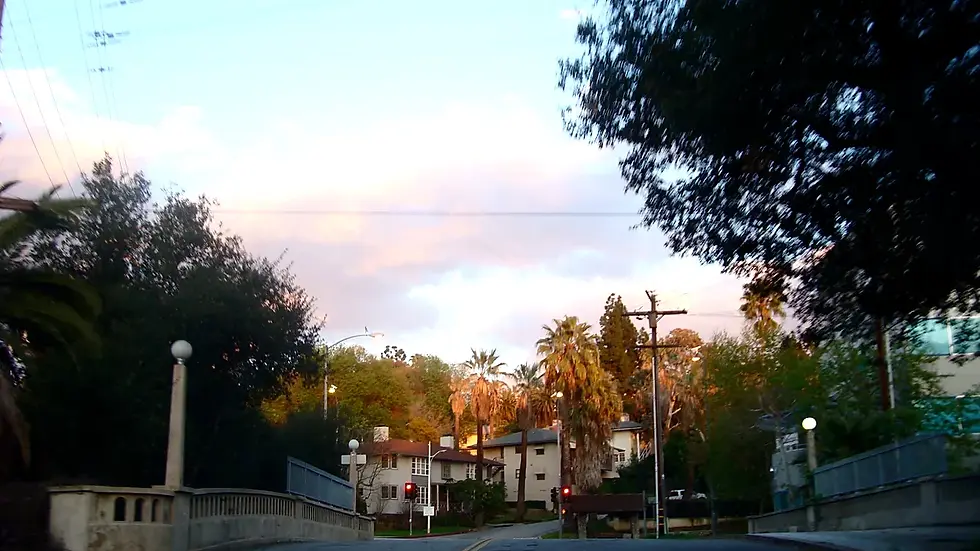
Cover photo: "Autumn in Monrovia CA" by Holly Cheng, via Wikimedia Commons, licensed CC BY-SA 3.0.


Comments