
Warehouse Security Guide: How to Prevent Cargo Theft

Updated: 3 days ago
Warehouse security starts with controlling who enters the property, protecting loaded trailers and dock doors, and watching the yard after hours, when most cargo and equipment theft happens. For warehouses and distribution centers in Irwindale and across the San Gabriel Valley, the strongest plans combine gate control, lighting, cameras and trained guards who check trailers, seals and fence lines on a set schedule.
Key takeaways
Most warehouse losses happen at the gate, the dock and the trailer yard, not inside the building.
Gate logs, driver ID checks and seal checks stop many cargo theft schemes before a truck leaves.
After-hours yard patrols protect parked trailers, equipment, copper wire and catalytic converters.
If a sprinkler or fire alarm system is out of service, the California Fire Code can require a fire watch.
California employers generally need a written workplace violence prevention plan under Labor Code section 6401.9, in effect since July 1, 2024.
Guards should have a valid BSIS guard card, and the company should hold a Private Patrol Operator (PPO) license.
What are the biggest security risks for warehouses?
The biggest security risks for warehouses are cargo theft from trailers and docks, fictitious pickups by fake carriers, after-hours break-ins, theft of equipment and copper, and insider theft. Large yards with many trailers and few people after dark give thieves time and cover. Industrial areas such as Irwindale have many of these properties close together.
Common risk points:
Trailer yard: Loaded trailers parked overnight or over weekends.
Dock doors: Doors left open during loading, with no one checking who walks in.
Gate: Drivers admitted without checking ID, paperwork or appointment.
Perimeter: Gaps in fencing, dark corners and unlocked side gates.
Inside: High-value goods stored near exits or loading areas.
How do cargo thieves steal from distribution centers?
Cargo thieves usually steal by taking loaded trailers from yards, cutting into trailers at night, or posing as legitimate carriers to pick up loads with false paperwork. These schemes depend on weak gate checks and empty yards. The defense is simple but strict: verify every driver and load, and keep someone watching the yard.
What does a strong gate procedure include?
A strong gate procedure checks every driver's ID, carrier name, truck and trailer numbers, and appointment against the shipping record before anyone enters or leaves. Guards record the time in and out, the seal number on loaded trailers, and any mismatch. A driver who cannot match the paperwork does not get the load.
Gate checklist:
Driver photo ID matches the name on the pickup order
Carrier and truck number match the appointment
Seal numbers recorded at departure
Visitors signed in and escorted
Any mismatch reported to the shipping manager before release
Should a warehouse have on-site guards or mobile patrol?
Most busy warehouses benefit from an on-site guard at the gate during operating hours and patrol checks after hours. Smaller buildings with little night activity often start with random patrol checks. The right mix depends on the value of goods, yard size, hours of operation and past incidents.
| Property type | Typical coverage | Main tasks | |---|---|---| | 24-hour distribution center | On-site guards at the gate, every shift | Gate logs, driver checks, yard rounds | | Daytime warehouse with trailer yard | Gate guard by day, patrol checks at night | Seal checks, fence and lock checks | | Small industrial building | Random patrol checks | Lock checks, lighting checks, alarm response | | Vacant or between-tenant building | Patrol checks or fire watch if systems are down | Trespass prevention, fire safety |
Our guide to mobile patrol vs. on-site security guards explains the trade-offs in more detail. You can also see how we protect warehouses and distribution centers.
When does a warehouse need a fire watch?
A warehouse needs a fire watch when a required fire protection system, such as sprinklers or a fire alarm, is out of service and the fire code official requires one. Section 901.7 of the California Fire Code requires owners to notify the fire department and, where required, provide an approved fire watch until the system is restored.
Fire watch is common during sprinkler repairs, tenant improvements and alarm panel upgrades. A fire watch guard walks the building on a set route, looks for fire and smoke, keeps exits clear and logs each round. Learn more about our fire watch services.
What should warehouse security guards do on every shift?
Warehouse security guards should check the gate, the perimeter, the trailer yard and the dock doors on every shift, and record what they find in a daily report. Clear post orders tell each guard exactly what to check, how often and who to call. Without post orders, coverage becomes guesswork.
A typical shift includes:
Review the pass-down log from the previous shift.
Check gates, locks and fence lines.
Record trailer numbers and seal numbers in the yard.
Watch dock doors during loading and confirm they close afterward.
Report broken lights, damaged fencing and open doors.
Write a shift report with times, photos and any incidents.
California law also matters here. Under Business and Professions Code section 7583.6, a guard must complete the Powers to Arrest course before the first assignment and finish additional training within 30 days and six months. Ask any security company for proof.
What should property owners and managers in Irwindale do now?
Owners and managers of Irwindale warehouses should review gate procedures, walk the yard after dark, check that cameras cover the gate and docks, and confirm whether fire systems are fully working. Then decide whether gate guards, patrol checks or both fit the property's risk and budget.
Action list:
Walk the yard at night and note dark areas and fence gaps.
Require ID and paperwork checks for every pickup.
Record seal numbers on every loaded trailer.
Confirm sprinkler and alarm systems are in service.
Get a quote for gate guards or patrol checks. Learn about our security services in Irwindale.
Frequently asked questions
What is the most common type of warehouse theft?
Theft from trailers, docks and yards is a common problem, along with fake pickups using false paperwork. Strict gate checks and yard patrols address both.
Do warehouses need armed guards?
Most warehouses use unarmed guards for gate control and patrols. Armed guards are usually reserved for very high-value goods or specific threats.
What is a fictitious pickup?
It is when someone poses as a legitimate carrier to collect a load using false paperwork. Checking driver ID, carrier and appointment details helps prevent it.
When is a fire watch required in California?
When a required fire protection system is out of service and the fire code official requires one, under California Fire Code section 901.7.
How do I choose a warehouse security company?
Verify the company's PPO license with the California DCA, ask for guard training records and sample shift reports, and confirm how incidents are reported to you.
About the author
Samantha Stephens leads SGV Patrol, a security company serving the San Gabriel Valley since 2012. SGV Patrol is Licensed, BSIS PPO #17353. You can verify our license on the California DCA license search.
Protect your warehouse in Irwindale
Want tighter control of your gate, docks and yard? Call SGV Patrol at (626) 727-1592 for a security assessment. Calls are answered 24/7.
Sources: California Fire Code section 901.7; California Labor Code section 6401.9; California Business and Professions Code section 7583.6.
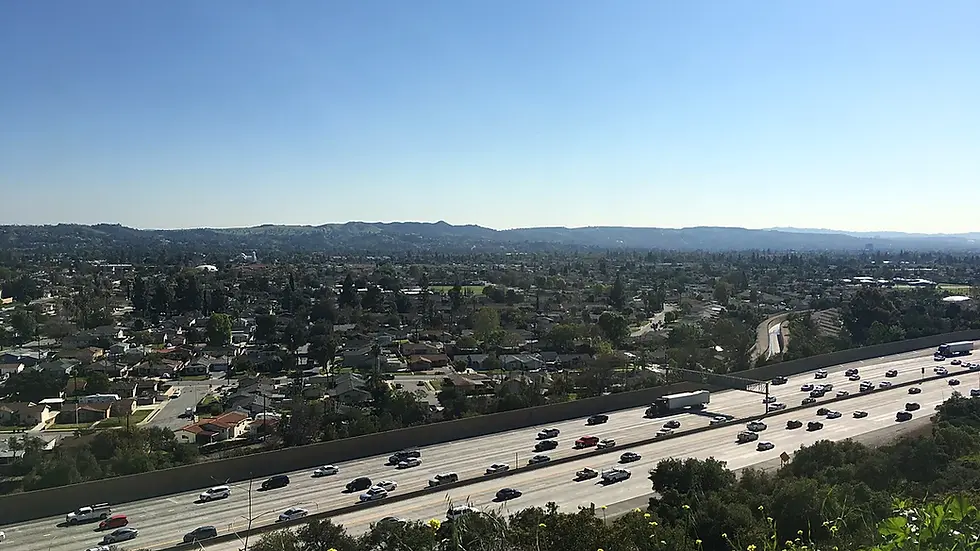
Cover photo: "Int605nRoad-LiveOakIrwindale (34653291841)" by formulanone from Huntsville, United States, via Wikimedia Commons, licensed CC BY-SA 2.0.


Comments