
Open House Security: How Sellers and Agents Protect Luxury Listings

Open house security means controlling who comes in, what they can reach and who is watching while strangers walk through a seller's home. For luxury listings, the safest open houses use a sign-in process, a cleared home, more than one set of eyes and, when the stakes are high, a licensed security officer on site.
Key takeaways
An open house invites strangers into a home, so the main risks are theft of small valuables, prescription drugs and personal documents, and casing the home for a later break-in.
Prepare the home first: remove or lock up jewelry, watches, small electronics, keys, medications, mail and anything with personal information.
Use a sign-in process, keep groups manageable and make sure more than one person is watching the home.
A licensed security officer can manage the door, watch the rooms and document visitors, while the agent focuses on selling.
In California, security officers must hold a BSIS guard registration and work for a licensed private patrol operator.
Why do luxury open houses need security?
Luxury open houses need security because they bring many unknown visitors into a high-value home in a short time, while the agent is busy talking with buyers. Small valuables can disappear, and some visitors may be studying the layout, alarm panels and entry points. A clear plan protects the seller's property and helps the event run smoothly.
High-net-worth homes often hold art, collectibles, watches and documents that are easy to pocket and hard to replace. Listing photos and floor plans also show buyers, and anyone else, how the home is laid out. That is why security planning should start before the listing goes live, not on the morning of the open house.
How should sellers prepare a home before an open house?
Sellers should prepare by removing or locking up anything small and valuable, clearing out medications and personal papers, putting away keys and garage openers, and checking that every window and side door locks. Think like a visitor with a large bag: anything that fits inside it and has value should be out of sight or out of the house.
Remove small valuables. Jewelry, watches, cash, small electronics and collectibles go into a safe or off-site.
Clear medications. Prescription drugs are a common target in bathrooms and kitchens.
Secure documents. Mail, financial papers, passports and anything with account numbers should be locked away.
Put away keys and remotes. Spare keys and garage remotes make a later break-in easy.
Check doors and windows. Lock everything after the event, and confirm nothing was quietly left unlocked.
Review listing photos. Avoid photos that show safes, alarm panels or high-value items in detail.
What security steps work during the open house?
During the open house, the most effective steps are a sign-in process at the door, limited group sizes, a second person or officer watching the rooms the agent cannot see, and a clear rule that visitors do not wander alone. A walk-through at the end confirms that everyone has left and that doors and windows are still secure.
| Step | Purpose | |---|---| | Sign-in at the door | Creates a visitor record and slows down anyone with bad intent | | Limited group size | Keeps visitors where staff can see them | | Second set of eyes | Covers rooms the agent cannot watch | | Closed private areas | Keeps visitors out of offices, closets and safes | | Final walk-through | Confirms the home is empty and secure |
When should sellers hire a security guard for an open house?
Sellers should consider a security guard when the home holds high-value contents, when a large turnout is expected, when the home has many rooms or levels that one agent cannot watch, or when there have been break-ins nearby. A licensed officer at the door lets the agent focus on selling, and the officer's report documents who attended.
In San Marino, a community of large, high-value homes, the San Marino Tribune reported on November 12, 2026 that the San Marino Police Department had recorded 26 residential burglaries so far in 2026, with none reported during the week of November 1 to 7. Local numbers like these are a reasonable input when sellers and agents decide how much protection an event needs.
For events of any size, our event security services page explains how officers support hosts. If you are selling or listing a home in San Marino, see our San Marino security services.
What does an open house security officer do?
An open house security officer greets visitors, manages sign-in, keeps people out of closed areas, watches rooms the agent cannot see, and reports anything unusual. The officer does not replace the agent. The officer's job is to observe, deter and document, so the seller has a record and the agent can focus on buyers.
Before the event, the officer should walk the home with the agent, confirm which rooms are closed, learn where exits are and agree on how to handle a visitor who will not follow the rules. After the event, the officer walks the home again and checks that doors and windows are locked.
How do I check that a security company is licensed in California?
To check a security company in California, search its name or private patrol operator license number on the Department of Consumer Affairs license search at search.dca.ca.gov. Officers must also hold a guard registration from the Bureau of Security and Investigative Services. Ask the company for its PPO number before you book an officer.
BSIS requires guards to complete 40 hours of training and 8 hours of continuing training each year. If the home will stay vacant between showings, our vacation home watch and patrol guide covers how to protect it while no one is living there.
Frequently asked questions
What is the biggest risk at an open house?
Theft of small valuables, medications and personal documents is most common. Some visitors may also study the home for a later break-in.
Should visitors sign in at an open house?
Yes. A sign-in process creates a record of who attended and discourages people who do not want to be identified.
Can a security guard ask visitors for ID?
An officer can ask, and the seller or agent can make showing the home conditional on sign-in rules. Visitors who decline can be asked to leave.
Who pays for open house security?
It is usually agreed between the seller and the listing agent. Some agents include it for high-value listings.
Should the home be checked after the open house?
Yes. Walk every room, confirm everyone has left, and lock all doors and windows, including side and garage doors.
About the author
Samantha Stephens leads SGV Patrol, a security company serving the San Gabriel Valley since 2012. SGV Patrol is Licensed, BSIS PPO #17353. You can verify our license on the California DCA license search.
Protect your next showing
Planning an open house or a private showing for a high-value home? Call SGV Patrol at (626) 727-1592 to get a quote for a licensed officer in San Marino or anywhere in the San Gabriel Valley. Calls are answered 24/7.
Sources: San Marino Tribune, "San Marino Police Department Crime Report," November 12, 2026; California Bureau of Security and Investigative Services, security guard registration and training requirements; California Department of Consumer Affairs license search.
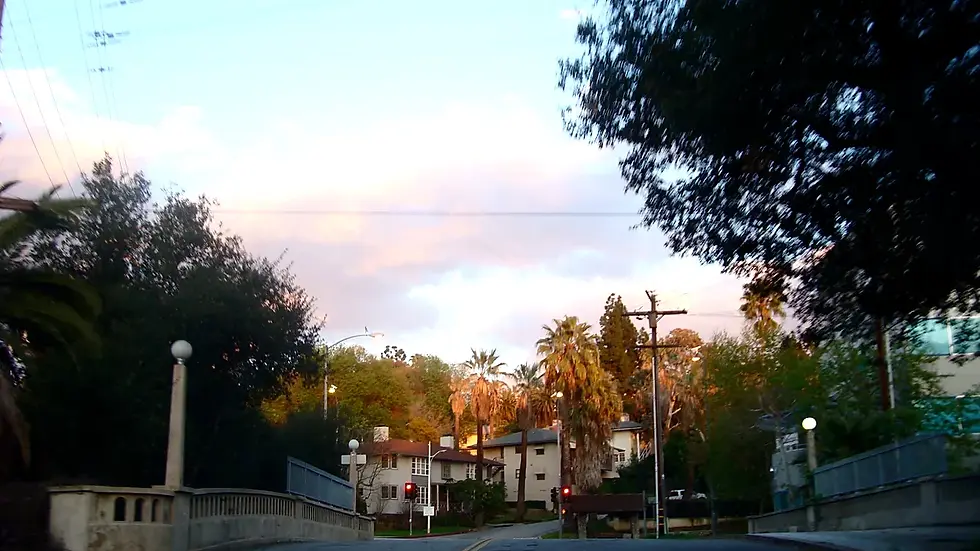
Cover photo: "San Marino, California" by Ken Lund, via Wikimedia Commons, licensed CC BY-SA 2.0.


Comments