
Eviction Day Security: How Landlords Protect a Unit Before and After the Sheriff Lockout

Eviction day security means protecting the unit, the tenant's left-behind belongings and everyone on site during and after the Sheriff's lockout. In California only the Sheriff can carry out the lockout, so a security officer's job is to stand by, observe, document and keep the vacated unit secure until it is re-rented.
Key takeaways
In Los Angeles County, the Sheriff's Department enforces the writ of possession. After the writ is served, the tenant has five days to move out before the Sheriff can conduct the lockout, according to LASD Court Services.
Landlords must store any personal property left behind. Under Code of Civil Procedure 1174, the former tenant generally has 15 days to reclaim it by paying reasonable storage costs.
Lockouts and utility shutoffs without a court process are illegal. Civil Code 789.3 allows damages plus up to $100 per day, with a $250 minimum per cause of action.
Security officers never remove occupants. They keep the peace, document conditions and watch the unit afterward.
Vacated units can attract break-ins, squatting and theft of fixtures, so patrol checks matter most in the first weeks.
When should a landlord hire security for an eviction?
Landlords and property managers usually add security when there has been conflict with the tenant, threats or property damage, when the unit holds valuable fixtures or stored belongings, or when the building has many neighbors who could be affected. Security is also useful afterward, while the unit sits empty and the former tenant's property is in storage.
For apartment owners, HOAs and commercial landlords in Covina and across the San Gabriel Valley, the cost of a damaged or re-occupied unit can be far higher than a few hours of coverage. Security helps protect staff, locksmiths, neighbors and the property itself.
What can a security guard legally do during an eviction?
A security guard can stand by, observe, keep a written and photo record, help control access to the building and call law enforcement if needed. A guard cannot carry out the eviction, remove a tenant, change the legal right to possession or use force to make someone leave. Only the Sheriff enforces the writ.
California guards are trained under Bureau of Security and Investigative Services (BSIS) rules, including Powers to Arrest, which teaches the limits of what a private officer may do. On an eviction, that means stepping back and letting deputies handle the occupants.
| Task | Sheriff | Security officer | Landlord or manager | |---|---|---|---| | Serve the notice to vacate | Yes | No | No | | Conduct the lockout | Yes | No | Takes back possession | | Change the locks after possession | No | Standby | Hires locksmith | | Inventory left-behind property | No | Can photograph and log | Responsible | | Store property safely | No | Can watch storage area | Responsible | | Watch the vacant unit afterward | No | Yes | Arranges coverage |
What happens to a tenant's belongings after a lockout?
After the Sheriff's lockout, the landlord takes custody of any personal property left in the unit and must store it safely. Under Code of Civil Procedure 1174, the former tenant can generally reclaim it within 15 days by paying reasonable storage costs. Unclaimed property is then handled under the Civil Code's abandoned property rules.
This is where documentation protects the owner. A guard or manager can photograph each room, log items, seal the storage area and record who goes in and out. If the former tenant disputes what was stored, those records help.
How do you secure a vacant unit after an eviction?
Change the locks as soon as possession is returned, secure windows and sliding doors, and keep the unit looking cared for. Then add regular checks of doors, windows and the storage area. The first few weeks matter most, when a former occupant or others may try to re-enter.
Steps that help:
Re-key every entry, including garages, gates, mailboxes and storage rooms.
Collect fobs and remotes and turn off access codes tied to the former tenant.
Photograph the unit right after the lockout, then on each check.
Keep lights on timers and remove signs that the unit is empty.
Schedule patrol checks of doors, windows and storage until the unit is re-rented. Overnight patrol is available in many areas, contact us to confirm.
Brief neighbors and staff on who may enter and who to call.
Our vacant property security guide covers longer vacancies, and our apartment security patrol guide covers building-wide coverage.
What does eviction day security cost?
Cost depends on how many hours you need, whether you want an officer on site or patrol checks, the time of day, and whether the situation calls for armed or unarmed coverage. Most eviction standbys are short, unarmed assignments, with patrol checks continuing while the unit is vacant.
Ask any provider to explain minimum shift lengths, how they document the assignment, and how they handle a tense situation. Our vehicle patrol service is often the most cost-effective way to cover the weeks after a lockout, and you can see our coverage in Covina.
Frequently asked questions
Can a landlord change the locks without the Sheriff in California?
No. Locking out a tenant or shutting off utilities to force a move is illegal under Civil Code 789.3. Only the Sheriff enforces a writ of possession.
How long does a tenant have to leave after the Sheriff's notice?
In Los Angeles County, the tenant has five days from service of the writ to vacate before the Sheriff conducts the lockout, according to LASD Court Services.
How long must a landlord store a tenant's belongings?
Under Code of Civil Procedure 1174, the former tenant generally has 15 days to reclaim stored property by paying reasonable storage costs.
Can a security guard remove a tenant who refuses to leave?
No. A guard can observe, document and call law enforcement, but only the Sheriff can remove occupants under a writ of possession.
Do I need an armed guard for an eviction?
Usually not. Most standbys are unarmed. Armed coverage is a decision for higher-risk situations and should be discussed with a licensed provider.
About the author
Samantha Stephens leads SGV Patrol, a security company serving the San Gabriel Valley since 2012. SGV Patrol is Licensed, BSIS PPO #17353. You can verify our license on the California DCA license search.
Plan your eviction standby
Have a lockout scheduled or a unit sitting empty? Call SGV Patrol at (626) 727-1592 to get a quote for eviction standby and vacant unit patrol. Calls are answered 24/7.
This article is general information, not legal advice. Talk to a landlord-tenant attorney about your specific case.
Sources: Los Angeles County Sheriff's Department Court Services FAQ (eviction procedure); California Code of Civil Procedure section 1174; California Civil Code section 789.3; California Bureau of Security and Investigative Services guard training requirements.
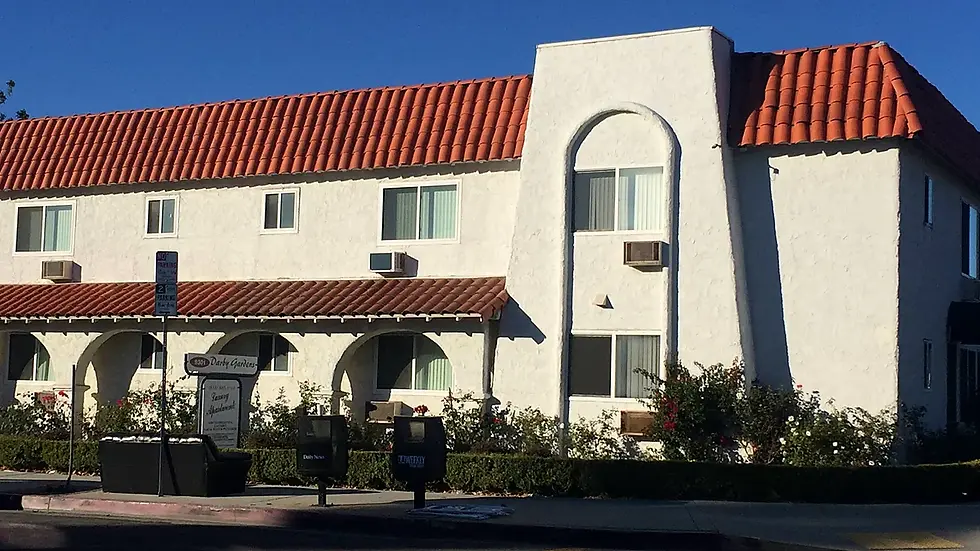
Cover photo: "Blue and orange apartment" by Brandon Griggs, via Wikimedia Commons, CC0 (public domain dedication).


Comments