

top of page
24/7 Security & Patrol Services
How To Stop Trespassing And Preventing Homeless Encampments On Private Property in LA or OC

Security Guard Trespassing removal Service in Southern California Done Right!

No Long-Term Contracts! Just Simple Flexable Options!
Easy to work with!
Solutions For Every Budget!
Day or Night even 24/7 365 if Needed
Only 5 client spots left this week. Secure yours now!
Security Service You Can Rely On
Hiring any run of the mill security company is often a gamble, much like a casino where you typically don’t win. This usually means spending even more money the next time. We prefer to do it right the first time and remove luck from the equation.
We take pride in our work and commitment to client service and safety. Thank you for considering SGV Patrol and your best future proof option. Experience our uniquely good service that provides you with the highest value in the industry!
3 Most Popular Security Services by SGV PATROL
On-Site Security Guard Services
SGV PATROL offers reliable on-site security guard services with trained professionals providing 24/7 protection against theft, vandalism, and unauthorized access. Our affordable, customizable options include uniformed guards for visible deterrence and plainclothes personnel for discreet monitoring, ensuring peace of mind for businesses, events, and residential properties. Choose SGV PATROL for effective on-site security guard services that fit your budget while delivering high-quality, responsive safety solutions.
Vehicle Patrol Services
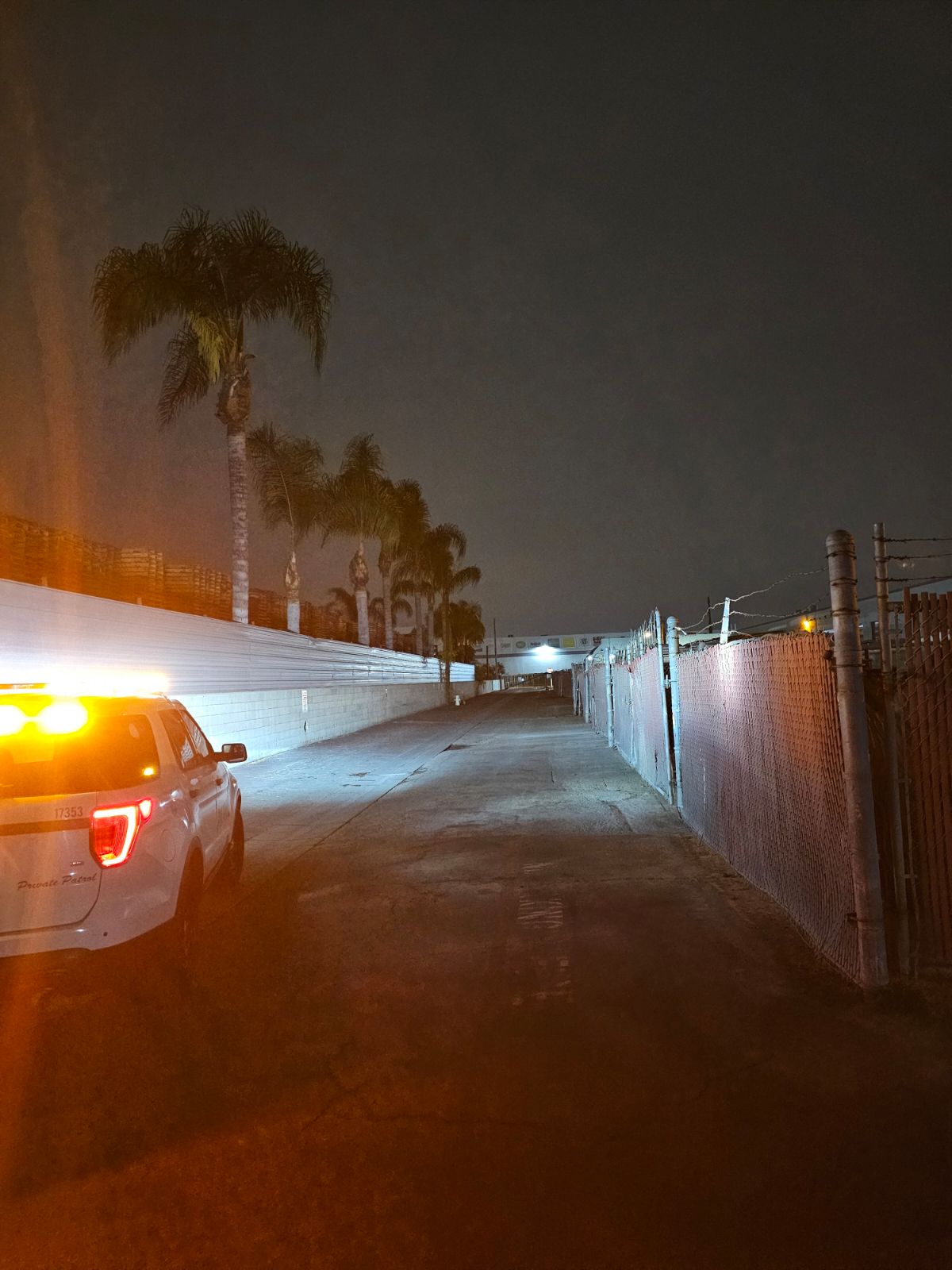
Experience affordable vehicle patrol services from SGV PATROL, where our mobile teams cover large areas with regular checks, rapid response, and detailed reporting to prevent incidents before they occur. Perfect for commercial parking lots, neighborhoods, or industrial sites needing reliable vehicle patrol services without breaking the bank. With GPS-tracked vehicles and experienced drivers, we provide cost-effective protection that enhances security and reduces risks for your assets.
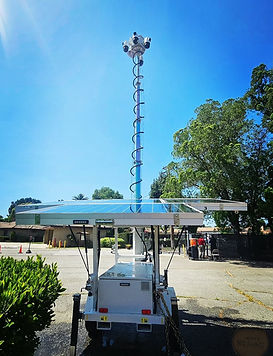
Mobile Surveillance Unit
SGV PATROL's effective mobile surveillance unit delivers portable, tech-driven monitoring with high-definition cameras, real-time alerts, remote access, and police-style lighting for enhanced visibility and deterrence in temporary or high-risk locations like construction sites or special events. This flexible solution offers affordable surveillance without permanent installations, combining motion detection and night vision for comprehensive coverage. Opt for our mobile surveillance unit services to get reliable, AI-enhanced security that adapts to your needs and boosts overall safety.


-
Tailored Solutions for Every Client: From residential patrols to executive protection and commercial security, we customize services to meet your unique needs.
-
Unwavering Commitment to Excellence: Our team of highly trained security professionals delivers top-tier security guard services, ensuring safety with precision and care.
-
Trusted by Communities and Businesses: With years of experience, SGV PATROL is a reliable security company known for discretion, professionalism, and results.
As of 2025
PERFECT 5 STAR RATING ON GOOGLE AND YELP!
Over 80 Billion dollars in physical assets secured!
100% Client Success rate!
0 guard shifts not covered!
How do I get security to remove tressaeassers?
Contact
SGV PATROL
Or fill out our contact form!
Or Dial by Phone:
Email Us at:
On Instagram:

SGV PATROL is Licensed
Yes! SGV Patrol is licensed in the state of California by the BSIS to provide vehicle patrol, armed, and unarmed security guard services, as well as close protection. Additionally, SGV Patrol holds an FCC Amateur Radio Technician License that most security firms do not have. All SGV PATROL security guards are licensed to work as security officers in the state of California. Many of them are also licensed to carry firearms in the state.

Licensing details for: PPO17353
(SGV PATROL)
Name: SGV PATROL
License Type: Private Patrol Operator
Primary Status: Current
Issuance Date
November 20, 2012
Trespassers: Understanding Unauthorized Entry and Its Implications
Introduction
Trespassing, the act of entering or remaining on property without permission from the owner or authorized representative, is a concept as old as property ownership itself. From ancient land disputes in feudal societies to modern-day encounters with "No Trespassing" signs, this behavior has long been a flashpoint between individual freedoms and societal norms of privacy and security. In an era where urban exploration, adventure-seeking, and even casual shortcuts can blur the lines between curiosity and illegality, understanding trespassing is more relevant than ever.
This page, Trespassers, serves as a comprehensive resource exploring the multifaceted world of trespassing. We'll delve into its legal definitions, historical evolution, psychological motivations, real-world consequences, and ethical considerations. Whether you're a property owner seeking to protect your domain, an enthusiast pondering the thrill of the forbidden, or simply curious about the boundaries of public and private space, this guide aims to inform without judgment—after all, knowledge is the best fence.
What Constitutes Trespassing?
At its core, trespassing involves unauthorized access to land, buildings, or vehicles. However, the specifics vary widely by jurisdiction:
-
Civil vs. Criminal Trespass: Civil trespass often results in a lawsuit for damages, while criminal trespass can lead to arrests, fines, or imprisonment. For example, in the United States, many states classify simple trespass as a misdemeanor, escalating to felony if it involves intent to commit another crime or damage to property.
-
Types of Property: Trespassing can occur on private land (farms, homes, backyards), commercial properties (abandoned factories, shopping centers after hours), or even public spaces with restricted areas (national parks' off-trail zones or military bases).
-
Intent and Notice: Key factors include whether the trespasser was warned (via signs, fences, or verbal notice) and their purpose. Accidental entry, like a hiker wandering off a trail, might be treated leniently compared to deliberate intrusion for vandalism or theft.
Globally, laws differ: In the UK, the Countryside and Rights of Way Act (2000) allows "right to roam" on certain lands, contrasting with stricter "castle doctrine" approaches in parts of the U.S. where property owners may use force to defend against intruders.
Why Does Trespassing Matter?
Trespassing isn't just a legal issue—it's a societal one. Property owners face risks to safety, privacy, and assets, while trespassers might encounter dangers like unstable structures or confrontations. Economically, it impacts industries from agriculture (crop damage) to real estate (liability concerns). On a broader scale, it raises questions about access to nature, urban decay exploration (known as "urbex"), and the balance between personal liberty and communal responsibility.
In the following sections, we'll break this down further:
-
Historical Context: How trespassing laws evolved from medieval common law to today's statutes.
-
Legal Ramifications: Penalties, defenses, and case studies from around the world.
-
Prevention Strategies: For owners—fences, signage, technology—and for potential trespassers, spotting boundaries.
-
Psychological and Cultural Angles: The allure of the forbidden, from thrill-seekers to protesters.
-
Notable Incidents: Famous trespassing events that shaped public discourse, like celebrity "break-ins" or environmental activism.

California Penal Code on Trespassing
Trespassing in California is primarily governed by Penal Code Section 602 (PC § 602), which outlines over 30 specific acts that constitute criminal trespass as a misdemeanor. This section prohibits willfully entering or remaining on someone else's property without permission, with various subsections addressing different scenarios, such as private land, buildings, or vehicles. The law emphasizes the importance of notice (e.g., signs or verbal requests) and refusal to leave as key elements that elevate unauthorized entry to a crime. PC § 602 does not cover civil trespass (which might only result in a lawsuit for damages), but focuses on criminal violations.
Key Provisions of PC § 602 Relevant to Trespassing
The statute is divided into subsections (a) through (y), each targeting specific behaviors. Here are the most commonly applicable ones for general trespassing on private property:
-
Subsection (k): Entering land or buildings to damage property, interfere with a business, or commit another crime without permission. This applies to intentional intrusions with harmful intent.
-
Subsection (l): Entering cultivated, enclosed, or uncultivated lands (with posted "No Trespassing" signs at least every three per mile along boundaries) and refusing to leave immediately upon request by the owner, owner's agent, or a peace officer. It also covers damaging signs, tampering with locks, or discharging firearms on such property.
-
Subsection (m): Entering and occupying real property or structures without the owner's consent, often used for squatting or unauthorized camping.
-
Subsection (n): Driving a vehicle onto private property not open to the public without consent (exceptions for serving legal process).
-
Subsection (o): Refusing to leave private land, buildings, or vehicles not open to the public after being asked by the owner, owner's agent, or a peace officer. This allows for notarized written requests from owners (valid up to one year), and local governments can accept electronic submissions for enforcement. It's commonly used in "anti-trespassing programs" where property owners authorize law enforcement to act on their behalf.
-
Other notable subsections include (t) for repeat offenders banned from specific properties, and restrictions on entering sensitive areas like airports (u-v) or domestic violence shelters (w).
For the law to apply, the property must generally be clearly marked (e.g., signs, fences), and the trespasser must have actual or constructive notice of the prohibition. Accidental entry without refusal to leave might not qualify as criminal trespass.
Penalties for Violating PC § 602
Most violations are misdemeanors, punishable by:
-
Up to 6 months in county jail.
-
A fine of up to $1,000.
-
Possible probation, community service, or restitution for damages.
Certain subsections have escalated penalties:
-
For airports or transit facilities (u-v): Fines up to $500–$1,000, and up to 1 year in jail for repeats or if it causes delays/evacuations.
-
Refusal from domestic violence shelters (w): Up to 1 year in jail, plus restitution.
-
If trespass involves intent to commit another crime (e.g., theft), it could lead to additional charges and elevate to a felony.
Defenses might include lack of notice, necessity (e.g., emergency), or mistaken belief of permission. Prosecutors must prove willful intent.
SGV PATROL to stop trespassing.
SGV PATROL is a licensed private security firm based in Southern California. We provide services like vehicle patrols, armed/unarmed guards, and surveillance for commercial, residential, and construction clients, regulated by the California Bureau of Security and Investigative Services (BSIS). As a BSIS-licensed entity (PPO #17353), their guards undergo mandatory training, including the "Power to Arrest" course, which covers legal limits on detentions and force.
Private security companies like SGV PATROL do not have full police powers but can enforce trespassing laws as agents of property owners under PC § 602. Here's how it applies:
-
Authority to Request Departure: SGV PATROL guards can verbally warn and ask suspected trespassers to leave private property on behalf of the client (owner). This invokes subsections like (l) or (o), where refusal after a clear request turns the act into criminal trespass. Signs or prior notices strengthen their position.
-
Citizen's Arrest Powers: If there's reasonable suspicion of trespass (e.g., someone ignoring signs and refusing to leave), guards can perform a citizen's arrest under Penal Code § 837, detaining the person briefly until police arrive. However, they must immediately notify law enforcement and cannot use excessive force—only what's necessary to prevent escape or harm. Misuse can lead to false imprisonment charges against the guard.
-
Limitations and Best Practices: Guards cannot search people, seize property without cause, or enter non-client areas. They must identify themselves and explain the reason for intervention. For ongoing issues, clients can file a notarized "trespass authorization letter" under PC § 602(o), allowing guards or police to enforce bans for up to 12 months. SGV PATROL's mobile surveillance units (with police-style lighting) aid in monitoring but must comply with vehicle code restrictions on emergency lights.
-
Role in Enforcement: In practice, SGV PATROL often documents incidents (e.g., via cameras) and calls local police (e.g., in West Covina or Rosemead) for arrests, rather than detaining themselves, to avoid liability. This aligns with BSIS guidelines emphasizing de-escalation and coordination with public safety. If a trespasser is arrested, PC § 602 charges would be filed by prosecutors, potentially leading to the penalties outlined above.
For property owners hiring SGV PATROL, this setup provides proactive deterrence against loiterers, vandals, or unauthorized entrants, but ultimate prosecution rests with law enforcement. If you're dealing with a specific incident, consult a local attorney or the BSIS for compliance details.
Homeless Trespassing in Los Angeles
Trespassing by homeless individuals in Los Angeles presents unique legal and social challenges. While California’s Penal Code § 602 governs all trespassing, factors like lack of shelter or mental health issues often influence how these laws are enforced against the homeless. This section explores how trespassing laws apply, the role of private security like SGV PATROL, and practical solutions for Los Angeles property owners.
Legal Framework for Homeless Trespassing
Penal Code § 602 defines trespassing as entering or remaining on private property without permission. For homeless individuals, common scenarios include encampments on vacant lots, loitering in business parking areas, or sheltering in abandoned structures. Relevant provisions include:
-
PC § 602(m): Occupying private property, such as setting up tents or sleeping in vacant buildings, without owner consent.
-
PC § 602(o): Refusing to leave private property (e.g., retail lots or storefronts) after a request from the owner, their agent, or police, especially with visible “No Trespassing” signs.
-
PC § 602(l): Entering posted or fenced private land and ignoring requests to leave, applicable to private lots or restricted areas.
Penalties: Violations are typically misdemeanors, with up to 6 months in jail or a $1,000 fine. In Los Angeles, courts may prioritize diversion programs, like community service or housing assistance, over jail time for homeless individuals, especially when shelter options are limited (see Martin v. City of Boise, 2019).
Key Considerations:
-
Notice: Charges require clear notice via signs, fences, or verbal warnings. Homeless individuals may argue they didn’t know the property was private.
-
Public Property: Encampments on public spaces like sidewalks fall under local ordinances, such as Los Angeles’ LAMC 41.18, not PC § 602.
-
Social Context: Los Angeles’ homelessness crisis (over 75,000 homeless county-wide, per the 2024 Los Angeles Homeless Count) complicates enforcement, balancing property rights with humanitarian concerns.
SGV PATROL’s Role in Los Angeles
SGV PATROL, a BSIS-licensed private security firm in Los Angeles, assists property owners in managing homeless trespassing on commercial, residential, or construction properties. Their approach aligns with PC § 602 and emphasizes deterrence over confrontation.
-
Actions Taken:
-
Verbal Warnings: Guards request trespassers to leave, acting as the owner’s agent under PC § 602(o) or (l).
-
Documentation: Incidents are recorded with photos or videos for legal evidence or police coordination.
-
Law Enforcement Handoff: If trespassers refuse to leave, SGV PATROL typically calls Los Angeles police for arrests or citations, minimizing liability.
-
Prevention: They advise on signage, fencing, or lighting to meet PC § 602 notice requirements and deter trespassing.
-
-
Sectors Impacted:
-
Retail: Addressing loitering that affects customer access.
-
Real Estate: Preventing squatting in vacant properties.
-
Construction: Securing sites from encampments or theft.
-
Parking Areas: Managing unauthorized overnight stays.
-
-
Limitations: Guards cannot act on public property or provide social services. BSIS training stresses de-escalation, especially for individuals with mental health challenges, to avoid legal risks like false imprisonment claims.
Practical Solutions for Property Owners
Los Angeles property owners can address homeless trespassing by:
-
Posting Clear Signage: Ensure “No Trespassing” signs are visible to meet PC § 602 standards.
-
Hiring Security: Firms like SGV PATROL provide patrols and surveillance for proactive deterrence.
-
Filing Authorization Letters: Submit trespass authorization letters to Los Angeles police for streamlined enforcement.
-
Supporting Outreach: Collaborate with Los Angeles homeless services to address underlying issues.
Trespassing and Homeless Encampments on Private Property: FAQs for Los Angeles Property Owners
As a Los Angeles property owner facing trespassing issues, especially from homeless individuals, you have legal rights under California Penal Code § 602 to protect your private property. These FAQs focus on practical steps for enforcement, prevention, and hiring services like private security (e.g., SGV PATROL) to address encampments, loitering, or unauthorized occupation. Updated as of September 2025, this draws from PC § 602, LAMC 41.18 (for adjacent public spaces), and recent policies like Governor Newsom's May 2025 model ordinance, which emphasizes urgent but dignified responses to encampments—primarily on public land but informing private enforcement strategies. For personalized advice, consult a local attorney or security firm.
1. What qualifies as trespassing on my private property in Los Angeles?
Under California Penal Code § 602, trespassing occurs when someone willfully enters or remains on your private property without permission, such as a homeless individual setting up an encampment on your vacant lot or refusing to leave after a warning. Key elements include clear notice (e.g., "No Trespassing" signs) and refusal to depart, making it a misdemeanor punishable by up to 6 months in jail or a $1,000 fine. As a property owner, you can enforce this directly on your land, unlike public spaces.
2. How does PC § 602 apply to homeless encampments on my Los Angeles private property?
PC § 602(m) specifically covers occupying private property without consent, like tents or belongings on your land, while § 602(o) addresses refusing to leave after your request or a security guard's warning. Homelessness doesn't provide an exemption; if they're on your private property, it's trespassing, and you can involve LAPD for removal. In 2025, with increased statewide enforcement post-Supreme Court ruling, courts uphold these charges but may offer diversion if services are provided.
3. Can I remove a homeless encampment from my private property myself in LA?
No, self-removal risks liability for property damage or harm—stick to legal channels. Post "No Trespassing" signs (every 3 per mile per PC § 602(l)), issue a verbal warning, and call LAPD non-emergency (213-473-3231). For efficiency, file a notarized trespass authorization letter with LAPD under PC § 602(o), allowing arrests for up to one year without your constant presence. Hiring private security like SGV PATROL can handle initial warnings and documentation.
4. What role does Governor Newsom's 2025 model ordinance play in private property trespassing?
Newsom's May 2025 model ordinance targets public encampments, requiring 48-hour notices and shelter offers before clearances, but it doesn't directly apply to private property. However, it influences LA's overall approach, encouraging property owners to coordinate with outreach services (e.g., LAHSA at 211) for humane resolutions. For your private land, rely on PC § 602 for enforcement, potentially integrating voluntary service referrals to avoid disputes.
5. How has the 2024 Supreme Court ruling affected my rights as a private property owner in LA?
The Grants Pass v. Johnson ruling allows cities to enforce anti-camping laws without sufficient shelter beds, strengthening LAPD's response to trespass calls on private property. In 2025, this has led to faster clearances and more citations under PC § 602, empowering owners to protect commercial lots, apartments, or construction sites from encampments without "criminalizing homelessness" defenses holding as strongly.
6. What penalties can I expect to impose on trespassers via LAPD on my LA property?
Trespass violations under PC § 602 are misdemeanors: up to $1,000 fine and 6 months jail. For homeless trespassers, LAPD may issue citations and offer diversion (e.g., LA's Rapid Diversion Program for housing/treatment). As the owner, you can seek restitution for damages through civil court. Private security firms like SGV PATROL document incidents to support stronger LAPD cases.
7. Do I need "No Trespassing" signs for effective enforcement on my private property?
Yes, visible signs are crucial under PC § 602(l) and (o) to prove notice—post them prominently at entry points. Without them, defenses like "lack of knowledge" may weaken your case. Security services like SGV PATROL often recommend and install compliant signage as part of patrol packages to deter trespassers proactively.
8. How do I file a trespass authorization letter for my Los Angeles private property?
Submit a notarized form to your local LAPD station under PC § 602(o), authorizing officers to act as your agent for up to one year. Include property details and boundaries. This streamlines arrests for repeat trespassers, like homeless individuals returning to your lot. Private security can assist with the process and monitor compliance.
9. Can private security guards like SGV PATROL arrest trespassers on my LA property?
BSIS-licensed guards (e.g., SGV PATROL) can perform citizen's arrests under PC § 837 if there's reasonable suspicion of trespass (e.g., refusal after warning), but they must immediately call LAPD and use minimal force. Most opt for documentation and police handoff to avoid liability. They're ideal for patrols on commercial or residential properties facing ongoing homeless issues.
10. What should I do if a homeless person refuses to leave my private parking lot in Los Angeles?
Issue a verbal warning citing PC § 602(o), document with photos/video, and call LAPD. If it's a business lot, a trespass letter enhances enforcement. Hire SGV PATROL for 24/7 surveillance to prevent loitering, as their marked vehicles deter without confrontation—common for retail owners in LA.
11. How common are homeless trespassing issues on private property in LA, and why my property?
With over 75,000 homeless in LA County (2024-2025 counts), vacant lots, construction sites, and underused commercial spaces attract encampments due to accessibility. PC § 602 protects your rights, but prevention via fencing/lighting is key. Security firms like SGV PATROL report high demand for patrols in industrial and retail zones.
12. What defenses might a homeless trespasser use against my PC § 602 claim?
Possible defenses include no clear notice or necessity (e.g., no shelter available, per pre-2024 precedents), but the 2024 Supreme Court ruling weakens these for private property. Courts in 2025 favor owners with proper documentation. Private security helps build airtight cases with timestamps and witness statements.
13. How can I prevent homeless encampments from forming on my LA private property?
Install fencing, motion lights, and PC § 602-compliant signs; conduct regular patrols. Partner with LAHSA (211) for outreach to clear early. SGV PATROL offers cost-effective mobile surveillance and guard services tailored for apartments, businesses, and vacant land to keep trespassers at bay.
14. Is sleeping in a vehicle on my private property considered trespassing in Los Angeles?
Yes, if unauthorized—it's occupation under PC § 602(m) or (n) for vehicles. Towing requires notice and LAPD involvement to avoid claims. For property managers, SGV PATROL's patrols can spot and address vehicle loitering before it escalates, especially in parking structures.
15. What if the trespassing affects my business operations in LA?
PC § 602(k) covers interference with business, like encampments blocking access. Report to LAPD with evidence of impact (e.g., lost revenue). Security like SGV PATROL provides armed/unarmed guards for high-traffic retail, ensuring customer safety and compliance with 2025 enforcement trends.
16. How much does hiring private security for trespassing cost in Los Angeles?
Costs vary: $25-50/hour for patrols, $40-75 for guards, per BSIS standards. SGV PATROL offers packages starting at $500/month for basic surveillance on private properties. Factors include property size and risk (e.g., homeless hotspots). Get quotes to compare with DIY enforcement risks.
17. What services does a firm like SGV PATROL provide for private property trespassing?
BSIS-licensed patrols, 24/7 monitoring, trespass warnings, incident reports, and LAPD coordination under PC § 602. They specialize in homeless deterrence for commercial/residential sites, including signage installation and de-escalation training—essential in LA's 2025 enforcement landscape.
18. How do I choose the right private security for my LA trespassing problems?
Look for BSIS licensing, experience with PC § 602 enforcement, and reviews on homeless management. SGV PATROL, based in LA, offers tailored plans for properties like yours. Verify insurance and response times; start with a site assessment to address specific risks like encampments.
19. Can private security help with damages from homeless trespassers on my property?
Yes—guards document vandalism or theft for insurance claims and LAPD reports under PC § 602. SGV PATROL's surveillance captures evidence, aiding restitution suits. In 2025, with rising encampment clearances, proactive security minimizes long-term costs for owners.
20. Where do I get more help for trespassing on my private LA property?
Contact LAPD (213-473-3231) for trespass letters; LAHSA (211) for outreach coordination; or SGV PATROL for security quotes. Review PC § 602 at leginfo.legislature.ca.gov. For legal aid, reach LA City Attorney's office. See our Contact Us section to connect today and secure your property.
Contact us
Reach out for professional advice, security services:
-
Phone: Call SGV PATROL at (626) 727-1592 for immediate assistance with trespassing issues.
-
Email: Send inquiries to info@sgvpatrol.com for consultations or service quotes.
-
Website: Visit SGV PATROL’s Contact Page to submit a request or learn more about security options.
-
In-Person: Schedule a consultation at your property in or around Los Angeles, SGV, and Orange County.
bottom of page